
HSBC Plans 20,000 Job Cuts in Massive AI-Driven Overhaul
Global banking giant HSBC is preparing to eliminate up to 20,000 jobs over the next three to five years as CEO Georges Elhedery bets on AI to transform the bank's operations.
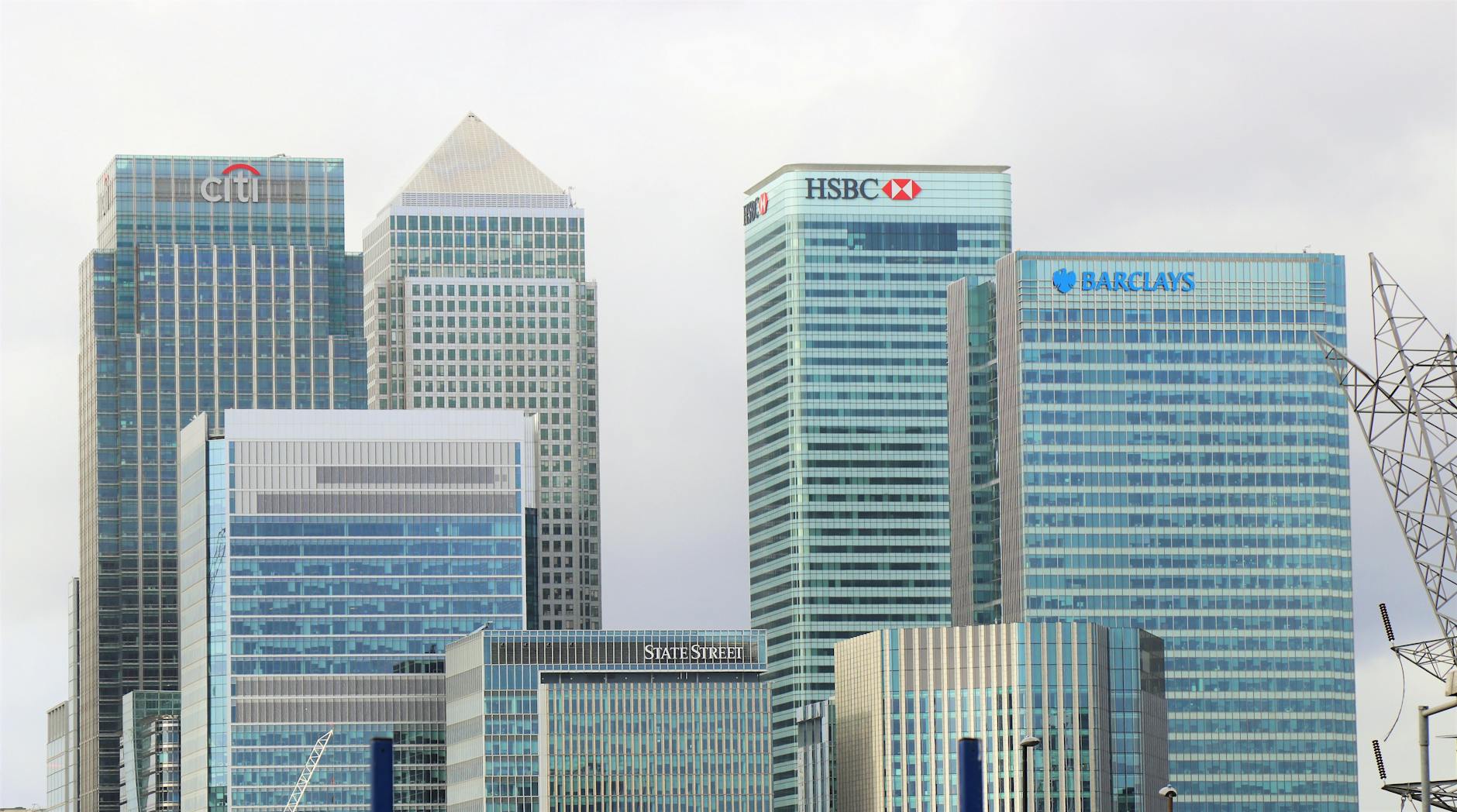
Global banking giant HSBC Holdings Plc is reportedly preparing one of the largest workforce reductions in modern banking history—potentially eliminating up to 20,000 jobs over the next three to five years. The driving force behind this unprecedented restructuring? Artificial intelligence.
According to a Bloomberg report, Chief Executive Officer Georges Elhedery is betting big on AI to fundamentally reshape the bank's operations, targeting the middle and back offices where automation can replace human workers handling repetitive tasks.
The Scale of HSBC's AI Transformation
The proposed cuts represent approximately 10% of HSBC's global workforce, which stood at roughly 210,000 employees at the end of 2025. While discussions remain in early stages and no final decisions have been made, the direction is clear: HSBC is positioning itself for an AI-first future.
This isn't Elhedery's first major move since taking the helm in 2024. The CEO has already initiated thousands of job cuts, exited non-core business segments, and consolidated operations to improve efficiency. The latest AI push represents an acceleration of this transformation strategy.
Which Roles Are Most at Risk?
The job cuts are expected to hit non-client-facing positions hardest, particularly:
- Global service center workers handling back-office operations
- Compliance and KYC (Know Your Customer) staff where AI can automate verification processes
- Transaction monitoring teams where machine learning algorithms excel at pattern detection
- Customer service center representatives in roles that don't require complex human judgment
Speaking at a Morgan Stanley conference, HSBC CFO Pam Kaur highlighted specific areas where AI deployment is being prioritized: customer service centers, KYC processes, and transaction monitoring. These functions represent the low-hanging fruit for AI automation—rules-based, data-intensive tasks that don't require the nuanced judgment of relationship managers or investment advisors.

The $1.5 Billion Cost-Saving Target
HSBC has already established an aggressive $1.5 billion cost-saving goal—and the bank now expects to achieve it six months ahead of schedule. The acceleration suggests that early AI implementations are already delivering measurable returns.
But the financial impact extends beyond simple cost reduction. Elhedery is also restructuring how HSBC rewards its employees, moving toward a Wall Street-style compensation model where top performers capture a larger share of bonuses, while underperformers are "nudged to look elsewhere." This cultural shift signals a fundamental change in how the bank values human capital in an AI-augmented workplace.
HSBC Isn't Alone: The Banking Industry's AI Reckoning
HSBC's planned layoffs are part of a much larger industry trend. A Bloomberg Intelligence report suggests that global banks could collectively eliminate up to 200,000 jobs over the next three to five years as AI adoption accelerates across the sector.
The analysis, based on a survey of chief information and technology officers, points to an average net workforce reduction of about 3% across major financial institutions. As banks continue to digitize, roles that rely heavily on manual processing are increasingly vulnerable to automation.
This trend extends beyond banking. According to Layoffs.fyi, more than 35,000 job cuts have been reported across over 50 tech companies so far in 2026, with major firms including Oracle, Amazon, and Meta announcing workforce reductions tied to cost optimization and AI adoption.

The Strategic Pivot: Asia-First Growth
While HSBC trims its workforce in automated functions, it's simultaneously doubling down on geographic expansion. One of Elhedery's key strategic moves has been taking HSBC's Hong Kong unit, Hang Seng Bank Ltd., private—a clear signal of where the bank sees future growth.
This dual strategy—cutting costs through AI in mature markets while investing in growth markets like Asia—represents a template that other global banks may follow. The message is clear: automation enables redeployment of capital toward higher-growth opportunities.
What This Means for Banking Workers
For employees in the financial sector, HSBC's announcement is a wake-up call. The roles most at risk share common characteristics:
- Highly repetitive tasks
- Rules-based decision making
- High volume, low complexity interactions
- Data processing without creative interpretation
Conversely, positions requiring complex problem-solving, emotional intelligence, client relationship management, and strategic judgment remain relatively safe—for now. The emerging divide is between transaction workers and relationship professionals.
The Broader Implications
HSBC's planned cuts raise important questions about the future of white-collar work. If a conservative, highly regulated industry like banking can eliminate 10% of its workforce through AI, what does this signal for other sectors?
The bank's approach—phasing cuts over 3-5 years while not refilling certain roles through attrition—may become a template for how large organizations manage AI-driven transitions. It's a more measured approach than sudden mass layoffs, but the destination is the same: fewer humans doing routine cognitive work.
As Elhedery's transformation unfolds, HSBC will serve as a real-time case study in how legacy institutions navigate the AI transition. The banking giant's success—or failure—will influence how aggressively other Fortune 500 companies pursue similar strategies.
For now, 210,000 HSBC employees are watching closely, wondering whether their jobs will be among the 20,000 that disappear into the algorithms.
Last updated: March 21, 2026. This story is developing and will be updated as more details emerge.