
Will Software Engineering Jobs Be Killed by AI? What the 2026 Data Actually Shows
AI agents now autonomously resolve 70% of software issues—up from 20% just 12 months ago. Software engineers rank 8–9 out of 10 on AI replacement risk. Here's what the 2026 data reveals about the future of programming jobs.
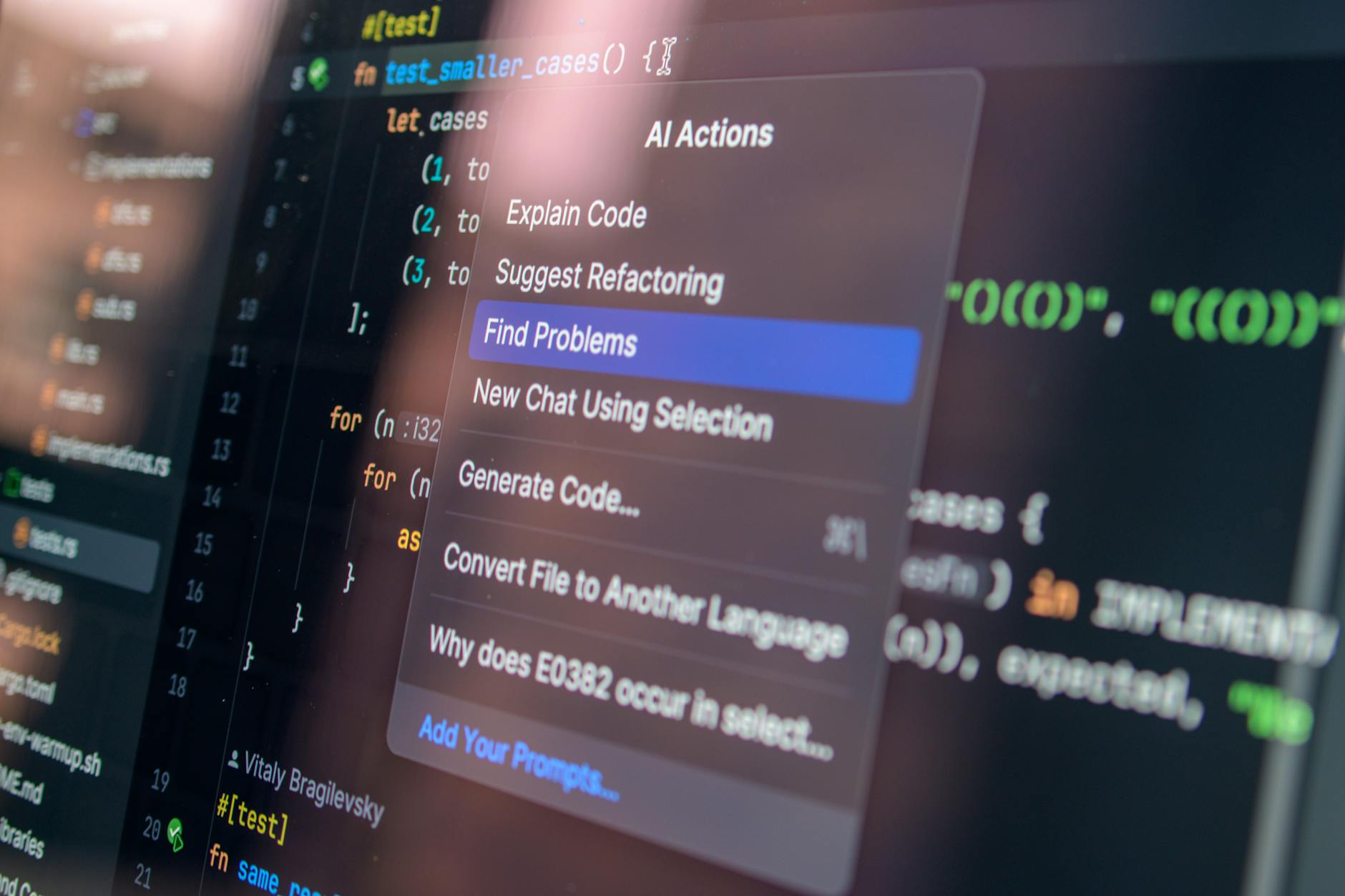
A common question haunting AI communities lately comes from a worried developer on Reddit: "Will software engineering and the IT job market be killed by AI?" It is not an idle concern. In 2025, we debated whether AI was a helpful tool or a looming threat. In 2026, that debate has ended. The numbers are in, and they tell a story more disruptive than most working engineers realize.
The anxiety is everywhere. Senior developers with decades of experience are quietly updating their resumes. Computer science enrollment is plateauing at universities that saw explosive growth for twenty years. Online forums buzz with speculation about which roles will disappear first. But speculation is not strategy. To understand what is actually happening to software engineering jobs, we need to look past the headlines and examine the hard data emerging from the industry's leading indicators.
The Inflection Point: From Augmentation to Automation
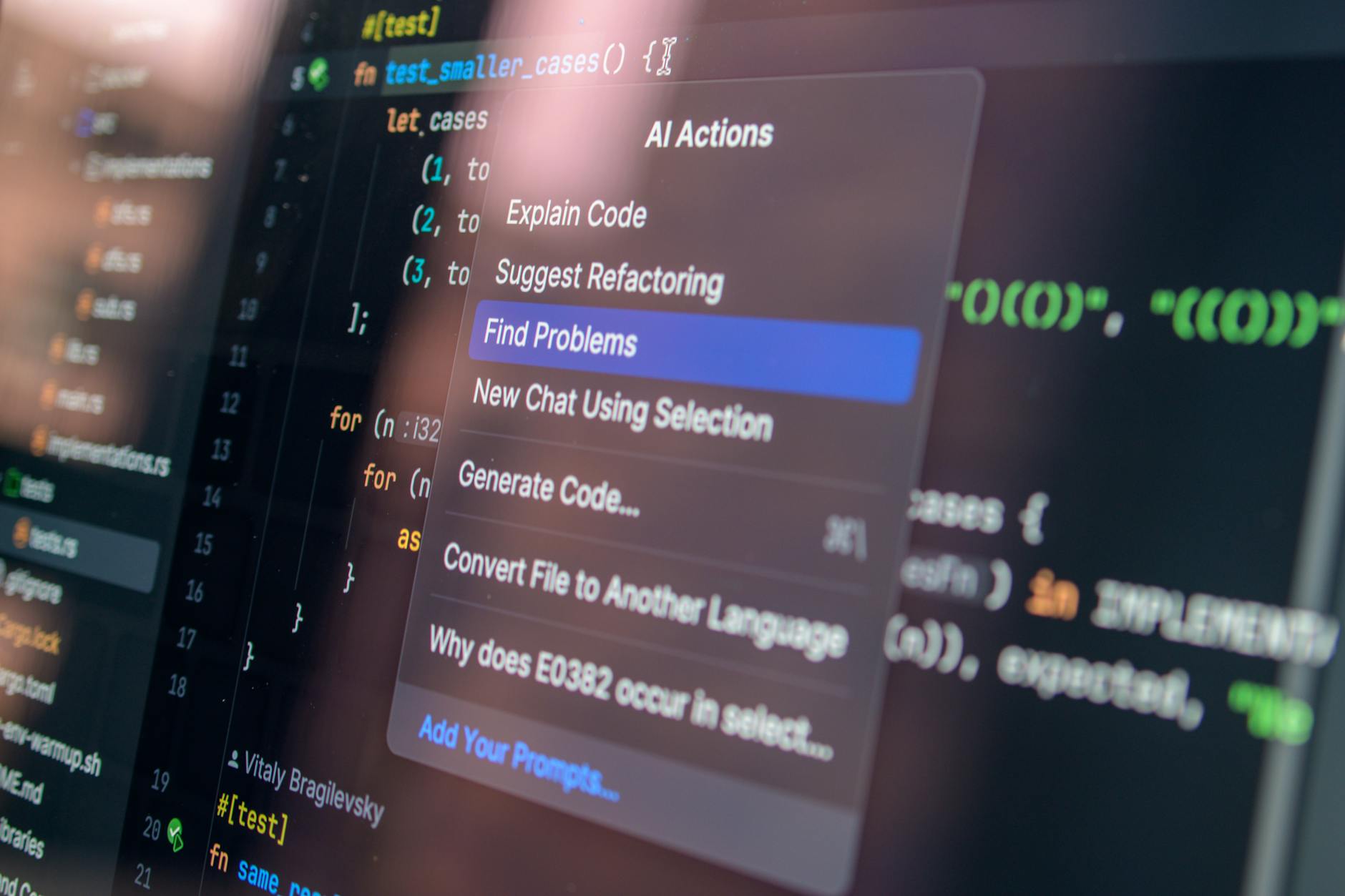
Here is the single most important shift in 2026: AI coding tools have moved from augmentation to automation. The distinction is not semantic—it is existential for how engineering work gets done.
Earlier generations of AI coding assistants operated on what you might call a single-shot model. A developer writes a function signature or describes what they need, and the AI suggests completions. The human remains the primary executor of every meaningful action. They review the code, test it, integrate it, debug it when things go wrong. The AI was a very smart autocomplete—a productivity multiplier, but not a replacement for human judgment.
Agentic AI systems that went mainstream in 2026 operate on an entirely different architecture. Tools like Anthropic's Claude Code, GitHub Copilot's Agent Mode, and Cognition's Devin do not just suggest code—they execute entire workflows. You describe a feature you want built, and the AI plans the implementation, writes the code, runs tests, debugs failures, and iterates until the task is complete. The human becomes a reviewer and director rather than the primary implementer.
The data confirms how dramatic this shift has been. According to Anthropic's internal data on Claude Code usage, the majority of developer sessions in early 2026 are now classified as "automation" rather than "augmentation." This means the AI is completing tasks end-to-end, not just suggesting lines of code for a human to accept or reject.
At Google, Sundar Pichai disclosed at the company's Q4 2025 earnings call that AI now generates over 30% of all new code written at the company. That number was 25% just months earlier. Microsoft's Satya Nadella has stated publicly that across Microsoft's engineering organization, AI tools are responsible for writing roughly 30–40% of the code in active repositories. These are not pilot programs or experimental teams. These are operational realities at the world's most sophisticated engineering organizations.
The Benchmark Data: AI Agents Now Resolve 70% of Software Issues
If you want a single metric that captures why 2026 feels different from 2025, look at SWE-bench. This benchmark tests whether AI systems can autonomously resolve real-world software issues from GitHub repositories—the kind of tasks that working engineers spend their days on.
In mid-2025, the leading models from Anthropic and OpenAI crossed the 50% threshold on SWE-bench. By early 2026, they surpassed 70%. Think about what that means: the best AI systems can now independently resolve seven out of ten real software bugs, feature requests, and integration tasks that previously required human engineers.
Twelve months ago, that number was under 20%. The performance curve is not linear; it is accelerating. And it directly corresponds to a widening range of tasks companies no longer need to hire humans to perform.
AI agents now autonomously resolve over 70% of software issues—up from under 20% just 12 months ago. That is not incremental improvement. That is a transformation in what kinds of engineering work can be automated.
The Replacement Risk Score: Software Engineers Rank 8–9 Out of 10
Andrej Karpathy, former director of AI at Tesla and one of the most respected voices in the field, published an AI job risk map in early 2026. He evaluated 342 US occupations against Bureau of Labor Statistics data, measuring exposure to AI-driven displacement. Software engineering scored 8–9 out of 10 on replacement risk—among the highest of any professional category. The average across all occupations was 5.3.
This finding surprises people. Surely, they think, the people building AI would be the safest from AI disruption? But the logic is straightforward: AI is exceptionally good at the exact tasks that comprise much of software engineering—writing code, debugging, refactoring, writing tests, and reviewing pull requests. These are structured problems with clear success criteria, precisely the environment where AI excels.
Karpathy's analysis aligns with Anthropic's Economic Index, which found that the disruption is concentrated among highly skilled, well-compensated engineers—not lower-wage roles. This is what makes 2026 qualitatively different from every previous automation wave. Factory automation hit manual laborers. AI automation is hitting knowledge workers at the top of the income distribution.
The Hiring Data: Entry-Level Roles Are Vanishing
The most immediate impact is visible in entry-level hiring. The traditional pathway into software engineering—graduate with a CS degree, land a junior developer role, learn on the job—is breaking down. Multiple industry analyses confirm that entry-level hiring for software roles has declined approximately 25% year-over-year. Junior developer job postings for candidates aged 22–25 are down roughly 20%.
Why? Because entry-level work is precisely what AI automates best. A junior engineer's typical tasks—fixing bugs, implementing straightforward features, writing documentation, learning the codebase—are exactly the tasks that AI agents now handle with minimal supervision. Senior engineers review AI-generated code instead of mentoring junior developers through their first pull requests.
Meanwhile, senior roles show the opposite trend. Experienced engineers who can architect complex systems, make strategic technology decisions, and direct AI agents are seeing demand increase 6–9%. The market is splitting into two tiers: engineers who direct AI workers, and engineers being replaced by them.
The Three Tiers of Software Engineers in 2026
If you are working in software today, you are probably wondering: which tier am I in? The emerging landscape suggests three distinct categories:
Tier 1: The AI-Directed Engineers
These are senior engineers who have adapted to work with AI as their primary tool. They do not write much code themselves anymore. Instead, they break down complex problems into discrete tasks for AI agents, review and integrate AI-generated solutions, and focus on architecture, system design, and business logic. They are essentially engineering managers for AI workers. These engineers command premium salaries and are in high demand.
Tier 2: The AI-Augmented Coders
These engineers use AI tools to boost their productivity but remain the primary implementers. They write code alongside AI suggestions, debug when things go wrong, and maintain ownership of their work. This tier is stable for now but increasingly squeezed. The work they do is valuable, but companies are constantly asking: could an AI agent do this with less oversight?
Tier 3: The AI-Replaceable Workforce
These are engineers whose work consists primarily of routine implementation tasks—writing CRUD operations, simple UI components, bug fixes in well-understood codebases. This tier is shrinking rapidly. The 70% SWE-bench score means AI can handle most of these tasks independently. Companies are not hiring for these roles, and existing workers are facing pressure to upskill or transition.
What Industry Leaders Are Actually Saying
The public statements from tech leaders tell a consistent story. At Salesforce's Dreamforce conference in late 2025, CEO Marc Benioff stated bluntly: "We're not hiring any more software engineers." The company had already seen a 30% productivity boost from AI tools and determined that growth targets could be met without expanding engineering headcount.
Google's Pichai has been more measured in public but the numbers speak clearly. When 30% of your code is written by AI, you need fewer human engineers to produce the same output. The company has slowed hiring in non-strategic engineering roles while aggressively recruiting AI researchers.
Microsoft's Nadella has framed AI as a tool that makes engineers more valuable, but the operational reality—30–40% of code written by AI—suggests a different interpretation. If a team of ten engineers can now produce what previously required fifteen, the economic logic is unavoidable.
Even OpenAI, the company building the tools disrupting the profession, has not been immune. Reports from early 2026 indicated that OpenAI itself had slowed engineering hiring as internal AI tools improved productivity.
The Counterargument: Why Some Engineers Remain Skeptical
Not everyone is convinced we are witnessing a structural transformation. Skeptics point to several arguments worth considering.
First, AI-generated code still requires human review and maintenance. Someone has to understand what the AI built, fix it when it breaks, and integrate it with existing systems. The AI is writing code, but humans are still accountable for it.
Second, software engineering has always evolved. Assembly language did not kill C. C did not kill Python. Each abstraction layer made programmers more productive, not obsolete. AI is just another layer of abstraction.
Third, AI still struggles with novel problems. SWE-bench tests AI on known issues from existing repositories. When faced with truly unprecedented architectural challenges—designing a new distributed system, optimizing a novel algorithm, debugging a race condition in custom hardware—AI often falters.
These arguments have merit, but they increasingly describe a smaller and smaller portion of actual software work. The vast majority of engineering time is not spent on novel architectural challenges. It is spent on incremental improvements, bug fixes, feature additions, and integration work—the exact domain where AI has crossed the 70% threshold.
What This Means for Working Engineers
If you are currently employed as a software engineer, the data suggests several immediate considerations.
Move up the stack or move sideways. The engineers safest from displacement are those working on system architecture, technical strategy, and product decisions—work that requires understanding business context, user needs, and organizational constraints. If your job is primarily implementation, start building skills in design, strategy, and AI agent management.
Learn to direct AI, not just use it. The skill that matters most in 2026 is not writing code quickly—it is breaking down complex problems into subtasks that AI agents can execute, then reviewing and integrating their work. Engineers who treat AI as a junior developer they are managing will fare better than those treating it as autocomplete.
Specialize in AI-resistant domains. Certain types of software work remain harder to automate: embedded systems with hardware constraints, safety-critical systems requiring formal verification, legacy codebases with minimal documentation, and domains requiring deep regulatory knowledge. These specializations offer temporary shelter.
Build domain expertise. AI writes code. Humans understand why the code matters. Engineers who deeply understand their industry's business logic, user needs, and regulatory environment will remain valuable even as coding itself becomes more automated.
The Broader Economic Picture
Software engineering has been the paradigmatic example of a "good job" in the 21st century—high pay, strong demand, remote work flexibility, and minimal credential requirements beyond demonstrated skill. If this profession is vulnerable to AI displacement, it raises profound questions about the broader labor market.
The Anthropic Economic Index found that the most AI-exposed engineers currently earn 47% more than their unexposed peers—but that premium comes with structural risk attached. High-skill, high-wage workers are facing displacement risks previously associated with routine manual labor. This is uncharted territory for economic policy and individual career planning.
Entry-level software roles have long served as a pathway to the middle class for self-taught developers, bootcamp graduates, and international workers. That pathway is narrowing just as AI makes the technical skills easier to acquire. The irony is painful: coding has never been more accessible to learn, and the economic returns to learning it have never been more uncertain.
So Will Software Engineering Jobs Be Killed by AI?
The honest answer: not entirely, but profoundly transformed. The 2026 data does not suggest an imminent collapse where all engineers are replaced by AI. It suggests a labor market rapidly segmenting into a small tier of high-value AI directors and a shrinking tier of implementation workers facing declining opportunities.
Software engineering as a profession will not disappear. But software engineering as a reliable path to stable, high-paying employment is already changing. The engineers who thrive will be those who adapt fastest to working with AI agents rather than against them—who learn to manage AI workers, architect systems too complex for current AI to handle, and build expertise in domains where human judgment remains essential.
The Reddit poster asking whether software engineering will be killed by AI is asking the wrong question. The better question is: what kind of software engineer do you want to be in a world where AI writes 70% of the code?
The floor is rising. The question is whether you are rising with it.
Sources
- Sundeep Teki, "The Impact of AI on the Software Engineering Job Market in 2026" - sundeepteki.org
- Andrej Karpathy, AI Job Risk Map 2026
- Anthropic Economic Index, 2026
- SWE-bench Benchmark Results, 2025-2026
- McKinsey & Company, Developer Productivity Analysis
- Second Talent, "The Future of Software Engineering Jobs in 2026"
- Google Q4 2025 Earnings Call, Sundar Pichai statements
- Microsoft Engineering Organization Data, Satya Nadella statements