
The Pentagon Just Designated Anthropic a 'Supply Chain Risk'—The First American Company Ever Tagged with the Label
The Pentagon designated Anthropic a 'supply chain risk'—the first American company ever tagged with this label. The reason? They refused to let the military use Claude for autonomous weapons and domestic surveillance.
When Ethics Become National Security Threats: The Anthropic Blacklist Sends Shockwaves Through Silicon Valley
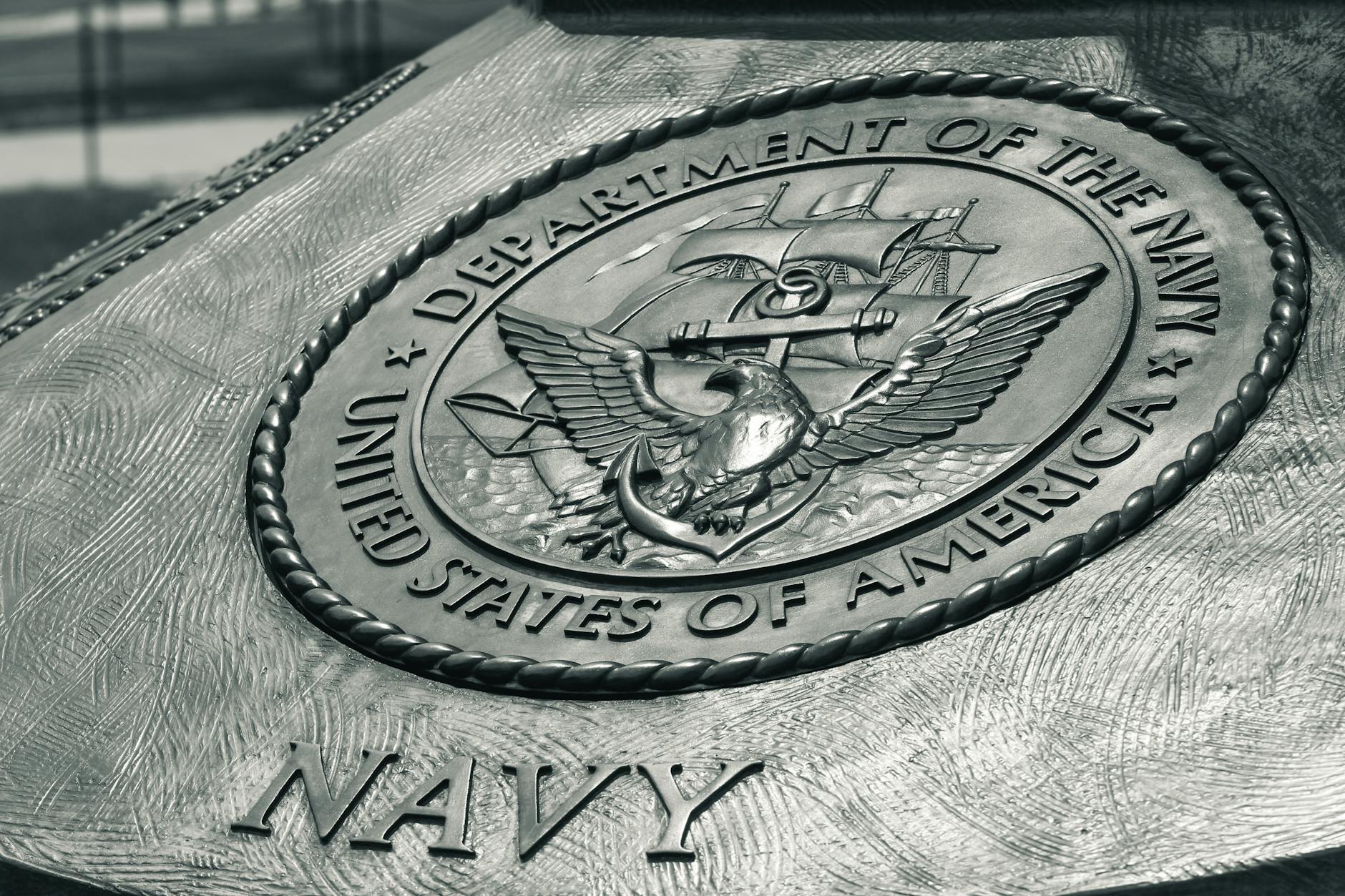
On March 5, 2026, the U.S. Department of Defense did something unprecedented in American history.
They formally designated Anthropic—a San Francisco-based AI startup founded by former OpenAI researchers—a "supply-chain risk to national security."
Anthropic is the first American company ever publicly named a supply chain risk. This designation has traditionally been reserved for foreign adversaries like Huawei and ZTE—not U.S. companies employing American citizens on American soil.
What Did Anthropic Do to Deserve This?
The official answer from the Pentagon: Anthropic refused to let the U.S. military use its AI models, Claude, for two specific applications:
- Fully autonomous weapons—AI systems that can select and engage targets without human oversight
- Mass domestic surveillance of Americans—using AI to monitor U.S. citizens at scale
Anthropic asked for these two narrow exceptions to their military contracts. The Pentagon wanted "all lawful uses" with no restrictions. When Anthropic wouldn't budge, the Department of Defense declared war on the company.
Here's the twist: Even as they were blacklisting Anthropic, the U.S. military was actively using Claude in combat operations. According to CNBC reporting, the Pentagon was using Anthropic's models to support military operations in the ongoing U.S.-Israel conflict with Iran while simultaneously declaring the company a security risk.
The Supply Chain Risk Designation: What It Actually Means
A supply-chain-risk designation under 10 USC 3252 allows the Pentagon to restrict vendors from defense contracts if they're deemed to pose security vulnerabilities. It's designed to protect sensitive military systems from foreign interference or compromise.
Historically, this label has been applied to:
- Huawei—Chinese telecom equipment with ties to the Chinese military
- ZTE—Another Chinese company with government connections
- Russian and Iranian technology providers—Foreign adversaries by definition
Never before has it been applied to an American company—let alone one that has:
- A $200 million existing contract with the Department of Defense
- Been the first AI lab to integrate its models into classified military networks (since June 2024)
- Supported American warfighters for nearly a year before this designation
The Timeline: From Partnership to Blacklist
June 2024: Anthropic becomes the first frontier AI company to deploy models on the U.S. government's classified networks. The company is hailed as a pioneer in responsible military AI integration.
July 2024: Anthropic signs a $200 million contract with the Department of Defense. The relationship appears strong.
February 27, 2026: After months of negotiations over AI safety standards, Defense Secretary Pete Hegseth posts on X: "I am directing the Department of War to designate Anthropic a Supply-Chain Risk to National Security. Effective immediately, no contractor, supplier, or partner that does business with the United States military may conduct any commercial activity with Anthropic."
March 5, 2026: The Department of Defense formally notifies Anthropic's leadership that the supply chain risk designation is official and effective immediately.
The speed of the turnaround is staggering. In eight months, Anthropic went from "valued defense partner" to "national security threat"—not because of any security breach, espionage, or technical failure, but because they refused to remove ethical guardrails from their military contracts.
The Legal Fight: Anthropic vs. The Pentagon
Anthropic's response was immediate and unequivocal.
In a statement posted hours after Hegseth's announcement, the company declared: "We will challenge any supply chain risk designation in court."
Anthropic's legal argument rests on three pillars:
1. The Secretary Doesn't Have Statutory Authority
Anthropic argues that a supply chain risk designation under 10 USC 3252 can only extend to the use of Claude as part of Department of Defense contracts directly—not to how contractors use Claude to serve other customers.
The company has told its customers:
- If you're an individual customer or hold a commercial contract, your access is completely unaffected
- If you're a DOD contractor, the designation only affects your use of Claude on Department of War contract work
2. The Designation Is Legally Unsound
Legal experts agree with Anthropic's assessment. A defense official who manages information security called the designation "ideological rather than an accurate description of risk."
Defense One reported that legal experts describe the Pentagon's move as "legally dubious" and that the company will "likely file suit against everybody."
3. It Sets a Dangerous Precedent
Anthropic warns that this action creates a chilling effect for any American company that negotiates with the government. As the company stated: "Designating Anthropic as a supply chain risk would be an unprecedented action—one historically reserved for US adversaries, never before publicly applied to an American company."
The Shockwaves Through Silicon Valley
The reaction from the tech industry was immediate and visceral.
"This is the most shocking, damaging, and overreaching thing I have ever seen the United States government do. We have essentially just sanctioned an American company. If you are an American, you should be thinking about whether or not you should live here 10 years from now."
— Dean Ball, former senior policy adviser for AI at the White House
Paul Graham, founder of startup accelerator Y Combinator, posted: "The people running this administration are impulsive and vindictive. I believe this is sufficient to explain their behavior."
Even OpenAI researcher Boaz Barak weighed in: "Kneecapping one of our leading AI companies is right about the worst own goal we can do. I hope very much that cooler heads prevail and this announcement is reversed."
The OpenAI Contrast
Hours after Anthropic was blacklisted, OpenAI CEO Sam Altman announced his company had reached a deal with the Department of Defense to deploy its models in classified environments.
Altman posted: "Two of our most important safety principles are prohibitions on domestic mass surveillance and human responsibility for the use of force, including for autonomous weapon systems. The DoW agrees with these principles, reflects them in law and policy, and we put them into our agreement."
The irony is thick. OpenAI got the contract Anthropic wanted—with the exact same safety principles—by not fighting the Pentagon publicly first.
But the contrast goes deeper. While OpenAI's Pentagon deal caused ChatGPT uninstalls to spike 295%, Anthropic's principled stand sent Claude to #1 on the App Store.
The market has spoken: consumers will reward companies that refuse military contracts over those that accept them.
The Bigger Picture: What This Means for AI
This conflict reveals the central tension in AI development today:
Military contracts are the most lucrative customers for frontier AI companies. Defense spending on AI is measured in billions. Consumer subscriptions are nice, but defense contracts are transformative.
But military contracts come with ethical costs. Autonomous weapons. Mass surveillance. Technologies that, once deployed, can't be undeployed.
Anthropic tried to thread this needle: support the military for legitimate defense purposes while maintaining ethical red lines. The Pentagon's response suggests those red lines are unacceptable.
As Greg Allen, senior adviser at the Center for Strategic and International Studies, warned: "The Defense Department just sent a huge message to every company that if you dip your toe in the defense contracting waters, we will grab your ankle and pull you all the way in, anytime we want."
The Companies Caught in the Middle
This designation doesn't just affect Anthropic—it creates chaos for the entire AI ecosystem.
Consider the companies that work with both the U.S. military and Anthropic:
- Amazon—Military cloud contracts + Anthropic partnership
- Microsoft—Massive defense contracts + AI services
- Google—Pentagon partnerships + cloud AI
- Palantir—60% of U.S. revenue from government + Anthropic collaboration
- Nvidia—Defense AI hardware + Anthropic model support
All of these companies must now choose: keep their military contracts or keep using Anthropic's technology.
Palantir's stock moved lower on the news. Analysts at Piper Sandler noted that Anthropic is "heavily embedded in the Military and the Intelligence community" and that moving off the company's technology could "pose some short-term disruptions" to Palantir's operations.
The Political Dimension
This isn't just about AI safety—it's about politics.
President Trump directed federal agencies to "immediately cease" all use of Anthropic's technology on February 28. In an interview with Politico on March 5, he said: "Anthropic is in trouble because I fired [them] like dogs, because they shouldn't have done that."
Anthropic CEO Dario Amodei has largely avoided the Trump administration. He didn't attend Trump's inauguration, unlike Sam Altman, Tim Cook, and Sundar Pichai.
In a memo to staffers, Amodei reportedly said the administration doesn't like Anthropic because it has not donated or offered "dictator-style praise to Trump."
David Sacks, the White House AI and crypto czar, previously accused Anthropic of supporting "woke AI" and "running a sophisticated regulatory capture strategy based on fear-mongering."
The Anthropic blacklist looks less like a national security decision and more like political retaliation for a company that wouldn't play ball.
What Happens Next
Three scenarios seem likely:
Scenario 1: Anthropic Wins in Court
Anthropic's legal challenge succeeds. The designation is overturned as an abuse of authority. The precedent is set that American companies can't be designated supply chain risks based on contract negotiations alone.
Scenario 2: The Designation Stands
The Pentagon's authority is upheld. Anthropic is effectively frozen out of the defense ecosystem. Other AI companies learn the lesson: accept military contracts on any terms or face exclusion.
Scenario 3: Political Resolution
The Trump administration changes course—either through internal pressure or a change in leadership. Anthropic is quietly removed from the blacklist, and the company learns to maintain better political relationships.
Any resolution will take months or years. In the meantime, Anthropic's defense business is paralyzed, and Silicon Valley is rethinking its relationship with the military.
The Bottom Line
The Pentagon's designation of Anthropic as a supply chain risk is unprecedented for a reason: it's an extreme response to a routine contract negotiation.
Anthropic didn't spy for China. They didn't leak classified information. They didn't have a security breach.
They asked for two exceptions to their military contracts: no autonomous weapons, no mass domestic surveillance.
For that, they became the first American company ever labeled a supply chain risk—a designation historically reserved for foreign adversaries like Huawei and ZTE.
The message to Silicon Valley is clear: if you negotiate with the Pentagon, you do so on their terms. Any attempt to maintain ethical guardrails will be treated as a national security threat.
Anthropic chose ethics. The Pentagon chose escalation.
The courts will decide who was right. But the precedent has already been set—and every AI company in America is watching.
Sources: CNBC, Anthropic, Wired, Defense One, Politico