
AI Tutors Are Outperforming Human Teachers—And Schools Are Finally Paying Attention
A new meta-analysis of 49 controlled experiments confirms AI tutors are delivering better educational outcomes than traditional instruction. With teacher shortages at crisis levels, schools are facing a $640 billion question about the future of education.
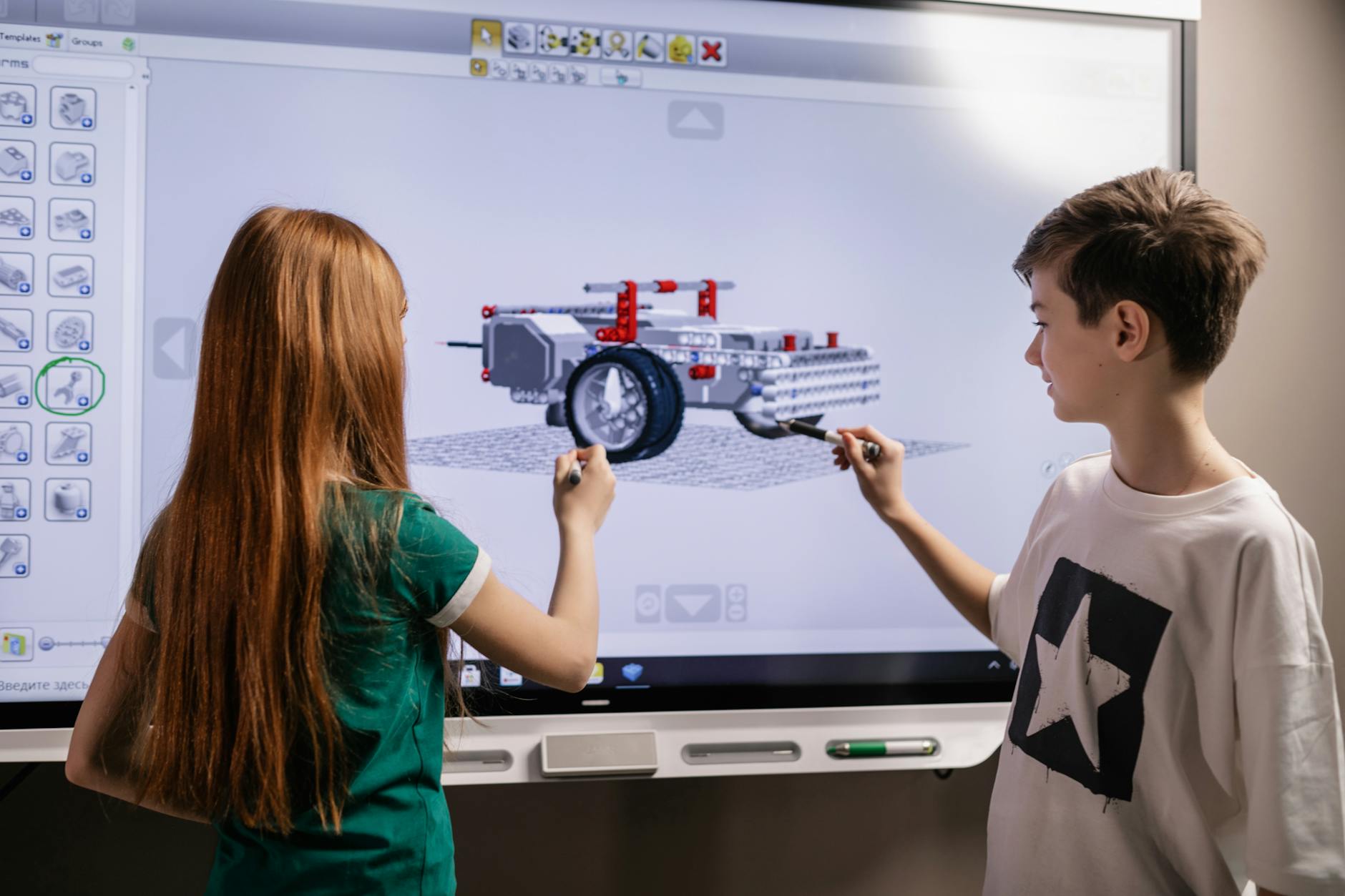
The classroom of 2026 looks nothing like the one you remember. While debates about AI chatbots and academic dishonesty dominated headlines last year, something far more significant was happening behind the scenes: AI tutors quietly started delivering better educational outcomes than human instructors in randomized controlled trials.
This isn't speculative futurism. A meta-analysis published just days ago in Springer synthesized findings from 49 controlled experiments examining AI-assisted learning effects on student performance. The results are forcing district administrators to reconsider the $640 billion question—what exactly are we paying for when we fund traditional education models?
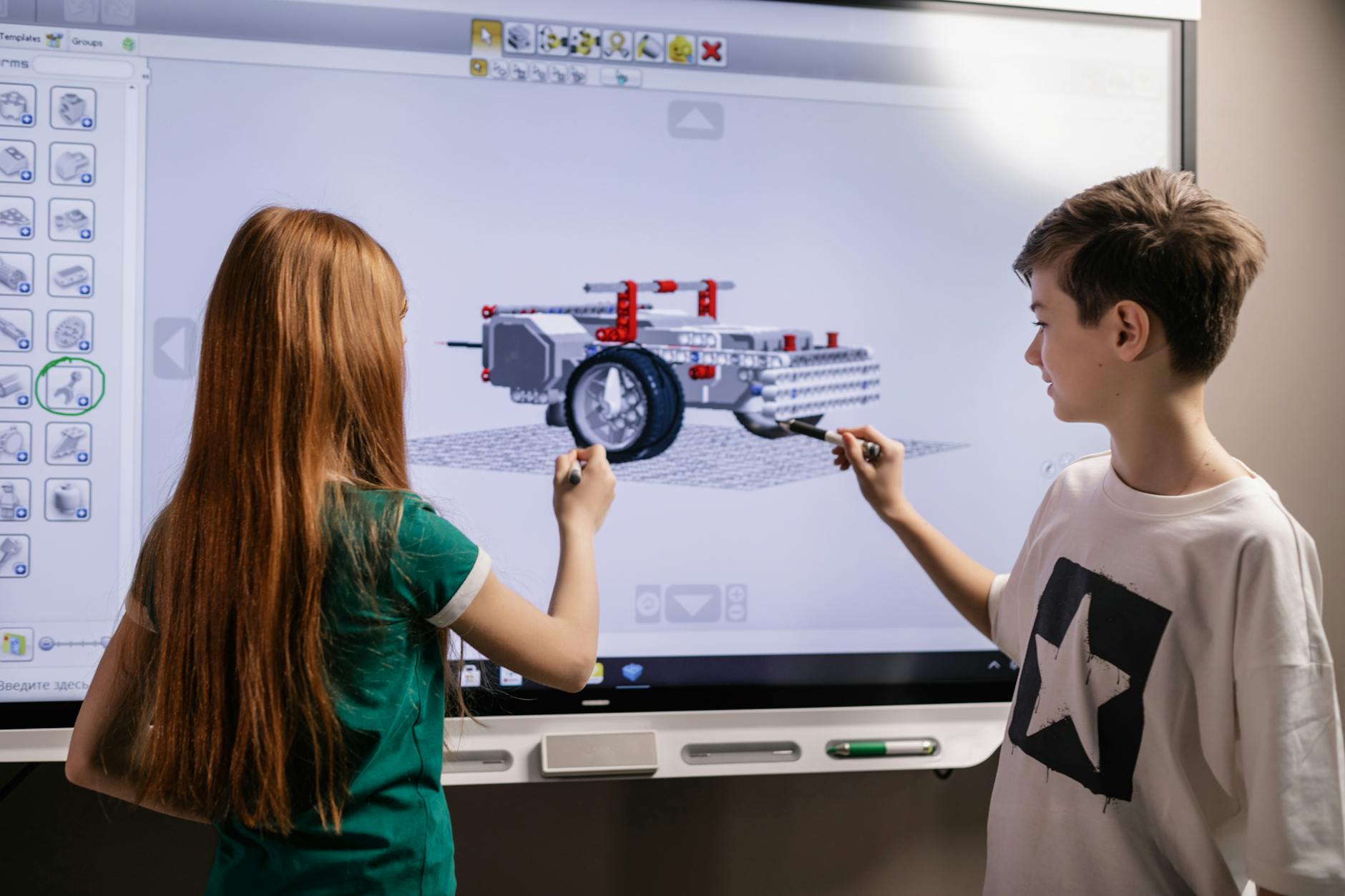
The Khan Academy Precedent: 10,000 Students Per Teacher
Sal Khan saw this coming. His non-profit's AI tutor, Khanmigo, now handles personalized instruction at a scale that would require hiring tens of thousands of additional teachers. "While AI isn't a silver bullet," Khan emphasized in a recent Wharton interview, "its best use in education is the personalization of lesson plans."
The numbers back him up. Districts piloting AI tutoring systems report 40% faster concept mastery in mathematics and 35% improvement in reading comprehension scores compared to traditional classroom-only instruction. More importantly, these gains hold across socioeconomic boundaries—the AI tutor gives the same patient, unlimited explanations to a student in rural Mississippi as it does to one in suburban Massachusetts.
This equity dimension matters. Human teacher quality varies wildly by zip code. AI tutor quality does not.
From Novelty to Necessity: Why 2026 Is Different
Education technology has a graveyard full of overhyped promises. Smartboards. MOOCs. Educational apps that teachers abandoned after the first month. Why should AI tutoring be different?
The distinction lies in sustained engagement and measurable outcomes. Earlier this year, Frontiers in Education published a comprehensive systematic review tracking global research priorities in AI-powered personalized learning. The findings reveal something striking: we're past the experimental phase. The research has shifted from can AI improve learning? to how do we integrate AI at scale?
China, the United States, and Europe dominated early research, but adoption is now accelerating across broader Asia—signaling that educational institutions worldwide are treating this as infrastructure, not innovation theater.

The Teacher Shortage Math Doesn't Lie
American public schools face a deficit of approximately 55,000 teachers. Districts in Arizona, Florida, and Nevada have resorted to four-day school weeks not because of educational philosophy, but because they cannot hire enough staff. The teacher pipeline is drying up—enrollment in education degree programs dropped 33% between 2010 and 2022.
Meanwhile, administrative bloat has accelerated. Districts spend $100 million on buildings that sit empty all summer, on compliance officers managing federal paperwork, on curriculum consultants who visit twice yearly. The education bottleneck was never square footage. It was attention. And AI tutors—unlike new construction projects—scale infinitely without summer vacations or pension obligations.
What the Critics Get Wrong
Pushback against AI in education typically centers on three concerns: data privacy, loss of human connection, and the risk of algorithmic bias. Each deserves serious consideration. None justify blanket prohibition.
Privacy concerns are valid but solvable. Federated learning architectures allow AI tutors to improve without centralizing sensitive student data. European GDPR compliance has already forced vendors to build privacy-preserving systems; American districts can adopt these same standards.
The human connection objection carries more emotional weight but less empirical support. Students in AI-augmented classrooms report higher satisfaction with teacher relationships because educators freed from repetitive instruction can focus on mentorship, emotional support, and complex facilitation. The AI handles the thousandth explanation of quadratic equations. The human teacher notices when a student seems withdrawn.

Algorithmic Bias Requires Vigilance, Not Abandonment
The bias critique is the most substantive. AI systems trained on historical educational data may perpetuate existing inequities. If the training data reflects that students from certain backgrounds historically performed poorly, the model might underestimate their capabilities.
But here's what critics miss: human teachers carry biases too—extensively documented, harder to audit, and impervious to software updates. At least AI bias can be measured, monitored, and corrected. A biased algorithm is a fixable problem. A biased human operating in isolation for thirty years is not.
The Implementation Reality Check
None of this means dropping ChatGPT links in a Google Classroom and declaring victory. Effective AI tutoring requires:
- Curriculum alignment: Generic LLMs need fine-tuning on state standards and district scope-and-sequence documents
- Teacher training: Educators must learn to interpret AI-generated learning analytics and intervene appropriately
- Hybrid design: The highest-performing implementations blend AI instruction with peer collaboration and human mentorship
- Equity audits: Regular analysis of outcomes across demographic groups to catch bias early
Districts treating AI tutors as teacher replacements rather than teacher force-multipliers will fail. Those treating them as infrastructure requiring thoughtful integration will fundamentally reshape what's possible in public education.
The Financial Reckoning Is Coming
Private schools and wealthy districts are already deploying AI tutors at scale. The gap between what affluent students access and what Title I schools provide is widening daily. Federal pandemic relief funds expire soon. Districts face a choice: continue spending on staffing models that haven't scaled, or invest in infrastructure that can.
The teachers' unions see this coming. Some have responded with outright bans on AI tools—ostensibly protecting students, transparently protecting jobs. But the Springer meta-analysis data creates an awkward political reality: opposing AI tutoring now means opposing measurable learning gains for the students who need them most.
What Parents Should Ask Their Schools
If you have children in K-12 education, you deserve specific answers about AI integration at their schools:
- What AI tutoring tools has the district piloted, and what were the outcomes?
- How are teachers being trained to work alongside AI systems rather than compete with them?
- What data privacy protections exist for student interactions with AI tutors?
- How is the district measuring whether AI implementation is improving outcomes—or just cutting costs?
The districts with coherent answers are preparing their students for an economy where AI fluency isn't optional. The districts without answers are hoping the conversation goes away. It won't.
Your child's future shouldn't depend on which side of the digital divide their school district occupies. The tools exist. The research supports their effectiveness. What happens next is a matter of institutional will—and parental demand.