
Agentic AI in 2026: The Rise of Autonomous Agents Reshaping Enterprise Workflows
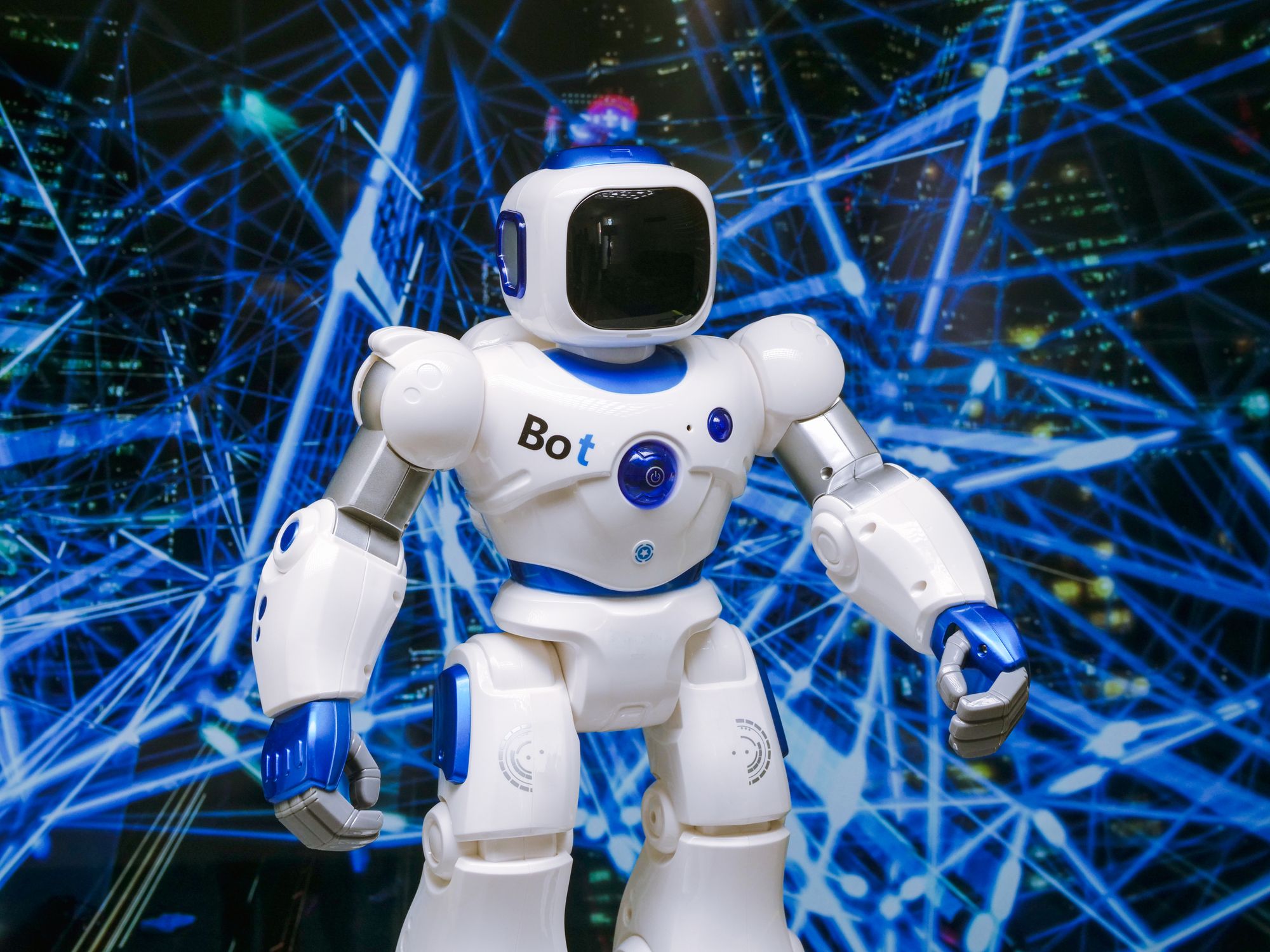
Agentic AI is no longer a future concept—it's the defining technology trend of 2026. As autonomous AI agents transition from experimental pilots to enterprise-scale deployment, organizations are witnessing a fundamental shift in how work gets done. With Gartner predicting that 40% of enterprise applications will feature task-specific AI agents by the end of 2026 (up from less than 5% in 2025), the age of agentic AI has officially arrived.
What Is Agentic AI?
Agentic AI refers to autonomous AI systems capable of acting independently to achieve predetermined goals. Unlike traditional generative AI tools that respond to prompts and create content, agentic AI systems can perceive their environment, reason through complex scenarios, plan multi-step actions, and execute tasks with minimal human oversight.
MIT Sloan Professor Sinan Aral defines AI agents as "autonomous software systems that perceive, reason, and act in digital environments to achieve goals on behalf of human principals, with capabilities for tool use, economic transactions, and strategic interaction."
The key distinction: while generative AI automates content creation, agentic AI automates actions and decisions—transforming AI from a source of information into a system that performs real work.
The Four Core Characteristics of Agentic AI
1. Proactive Behavior
Traditional systems are reactive—they respond when triggered and follow predefined workflows. Agentic AI anticipates needs, identifies emerging patterns, and takes initiative. For example, instead of simply tracking delivery statuses, an agentic supply chain system monitors inventory levels, tracks weather conditions, and proactively reroutes shipments to prevent delays.
2. Adaptability
Agentic systems use context awareness and domain knowledge to respond intelligently to changing conditions. A healthcare-focused AI agent understands medical terminology, complies with regulations, and adapts to evolving patient concerns—delivering context-sensitive support that generic platforms cannot match.
3. Collaboration
AI agents work as part of broader teams, coordinating with humans and other agents. They can interpret human intent, understand shared goals, and hand off tasks seamlessly. In complex scenarios like cancer treatment planning, multiple specialized agents coordinate across medical teams to prepare integrated care plans.
4. Specialization
Agentic AI typically employs multiple hyperspecialized agents, each focused on narrow expertise areas. In financial services, one agent might handle regulatory compliance while another manages fraud detection and a third optimizes portfolios—working together to monitor transactions in real time.

The 2026 Enterprise Landscape: By the Numbers
The Deloitte 2026 State of AI in the Enterprise report reveals dramatic shifts:
- Workforce Access Expanded 50% — Companies broadened AI access from fewer than 40% to around 60% of workers in just one year
- 85% Customization Rate — Organizations expect to customize AI agents to fit their unique business needs
- 34% Business Transformation — Companies using AI to "deeply transform" their operations rather than just improve productivity
- 58% Physical AI Adoption — Organizations already implementing physical AI applications
- 83% Sovereign AI Interest — Companies viewing sovereign AI as strategically important
NVIDIA CEO Jensen Huang has called enterprise AI agents a "multi-trillion-dollar opportunity" spanning industries from medicine to software engineering.
Real-World Use Cases Driving Adoption
Customer Service Revolution
Agentic AI handles customer inquiries end-to-end—searching documentation, gathering additional information, and resolving issues independently. When complex cases arise, agents seamlessly escalate to human representatives with full context. This enables true 24/7 support while freeing human agents for high-value interactions.
Software Development & Code Transformation
Development teams are seeing unprecedented efficiency gains. Agentic AI can decompose monolithic applications, modernize legacy codebases, and automate testing and debugging. Organizations report reducing migration timelines from months to minutes for certain transformation tasks.
Incident Response Automation
When security vulnerabilities or system errors occur, agentic AI expedites response pathways—automatically rolling back problematic deployments, creating detailed incident reports, notifying relevant team members, and conducting post-incident analysis to prevent recurrence.
Research & Development Acceleration
AI agents streamline R&D by synthesizing research from multiple sources, planning experiments, and coordinating team workflows. Multi-agent orchestration allows supervisor agents to construct complex research pipelines using multiple specialist models.
Supply Chain Optimization
By analyzing sales, inventory, and shipping data simultaneously, agentic AI predicts demand fluctuations, automates logistics decisions, and optimizes entire supply chains in real time.
Agentic AI vs. Generative AI: Understanding the Difference
| Feature | Generative AI | Agentic AI |
|---|---|---|
| Primary Function | Content creation (text, images, code) | Task execution and decision-making |
| Interaction Model | Prompt-response | Goal-driven autonomous action |
| Human Involvement | Continuous guidance required | Minimal oversight after goal setting |
| System Integration | Limited external tool use | Deep API and workflow integration |
| Learning Approach | Static training data | Continuous environmental learning |
Importantly, these technologies complement each other—generative AI provides the "brain" that agentic systems use to achieve higher-level goals.
Implementation Considerations for Leaders
As organizations rush to deploy agentic AI, MIT Sloan's research highlights critical success factors:
Data Quality & Infrastructure
Agentic AI requires high-quality, properly formatted data integrated across systems. Legacy infrastructure compatibility and data migration challenges must be addressed before deployment.
Security & Governance
Autonomous systems require robust security measures to prevent unauthorized access, data breaches, and malicious attacks. Organizations need formal risk management frameworks specifically designed for agentic AI.
Explainability & Trust
Understanding how agents make decisions is crucial—especially when things go wrong. Techniques like SHAP and LIME can make AI decisions more transparent and build stakeholder trust.
Ethical Safeguards
Addressing potential biases in data and algorithms prevents unfair outcomes. Human oversight mechanisms must remain in place to prevent unintended consequences, particularly for high-stakes decisions.
Clear Strategic Objectives
According to Deloitte's findings, successful implementations start with specific problems that align with business goals—not technology for technology's sake.

Looking Ahead: The Agentic Future
The trajectory is clear: agentic AI represents the evolution from AI as a tool to AI as a collaborator. As these systems become more sophisticated, the boundary between human-directed and agent-executed work will continue to blur.
Organizations that establish clear strategies, invest in proper infrastructure, and develop governance frameworks now will be positioned to capture the multi-trillion-dollar value that autonomous agents promise. Those that delay risk being left behind as competitors automate increasingly complex workflows.
The agentic age isn't coming—it's already here.
What agentic AI use cases is your organization exploring? Share your thoughts and experiences in the comments below.